
Oily Skin
Oily Skin: Causes, Solutions, and Your Action Plan
Dealing with oily skin? FTT Skin Clinic offers personalized solutions to help you achieve a healthy balance. First, learn the do’s and don’ts of controlling oily skin and explore effective treatments tailored for you. Oily skin, characterized by a persistent shine and frequent blotting, is a result of active sebaceous glands beneath each pore. To better understand this, gain insights into the role of sebum, the natural oil vital for skin health, and how its overproduction manifests. In fact, oily skin can result from various factors like stress, genetics, and hormonal fluctuations. At FTT Skin Clinic, we recognize the uniqueness of each individual’s skin, offering specialized insights into the causes of oily skin.
Our skin needs to produce it’s natural oils. However for lot of us regardless of age, sex or gender, our balance is unfortunately not even. As a result, excess production of our natural oils can lead to clogged and enlarged pores and dead skin cells. Consequently, acne and blackheads are most commonly found with those who have an off balance of natural oils.
If not controlled under the right advice, products or treatment plan, oily skin can become more noticeable and severe. Unfortunately there is no cure for this skin condition. Nevertheless, our skin experts at FTT are here to help, advise and support you to manage your skin health.
Expert Tips for Oily Skin
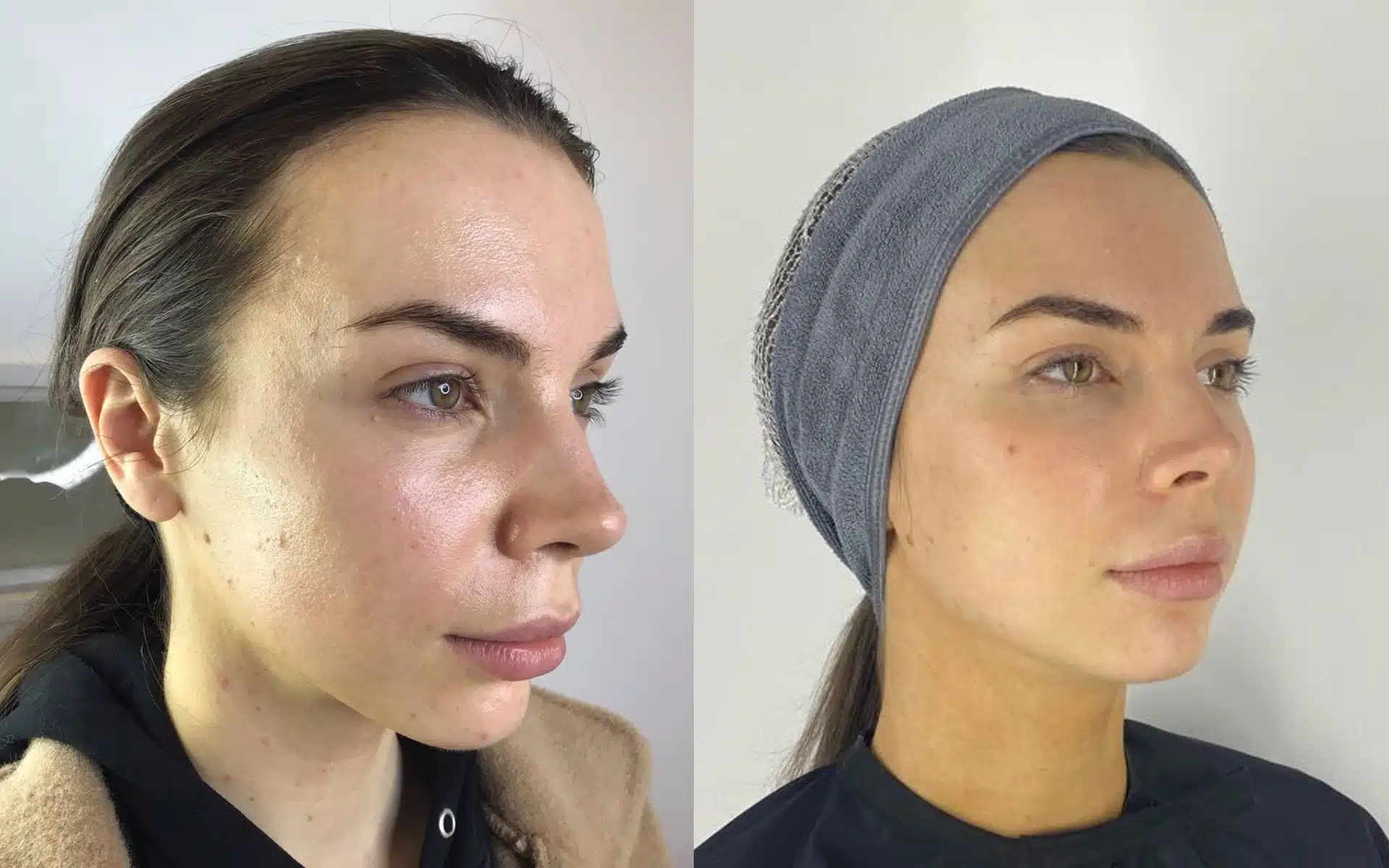
Discover dermatologist-recommended do’s and don’ts to manage oily skin effectively. FTT Skin Clinic emphasizes the importance of a balanced approach to maintain natural moisture while preventing acne breakouts that result from oily skin.
Wash Strategically:
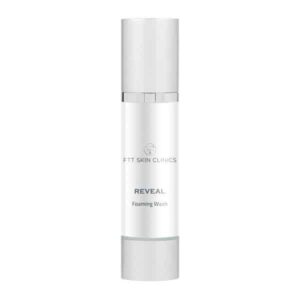
Cleanse your face morning, evening, and post-exercise without harsh scrubbing. Opt for a gentle, foaming face wash to avoid triggering excessive oil production. To deal with oily skin, we recommend our Signature FTT Foaming Wash. Gently massage one pump onto damp skin and leave for a few minutes for maximum results, before rinsing with warm water. Gentle enough to use twice daily. Reveal Foaming Wash will help increase cell renewal and prepare your skin for other products in the FTT Skin Clinics skincare collection. The natural properties of Aloe Vera will calm and protect your skin.
Smart Product Choices:
Select “oil-free” and “noncomedogenic” skincare products to prevent clogged pores. Steer clear of oil-based or alcohol-based cleansers that may irritate your skin. At FTT Skin Clinics, we offer variety of skin products that will prevent oily skin, from cleansers to washes, to moisturisers that are oil free noncomedogenic. Please check our selection of signature products from the link below. Usage of oil free products will result in less oil build up on your face. Make sure to check out your daily skin care products to get rid of anything that may cause an increase on your oily skin.
Daily Moisturizing:
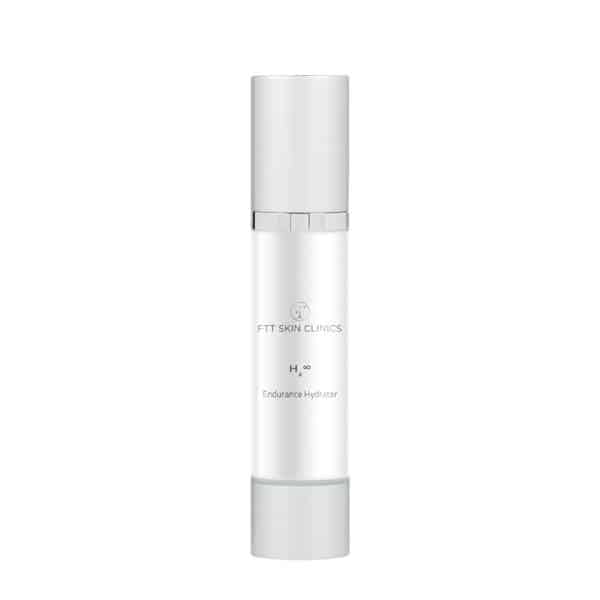
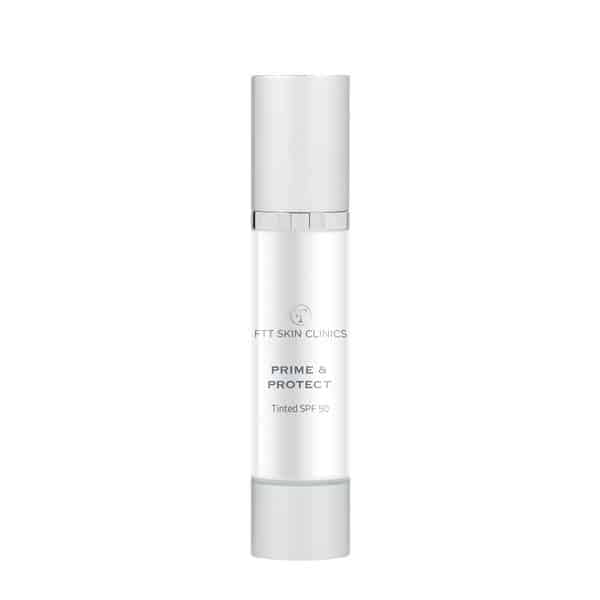
Apply moisturizer daily to keep your skin hydrated, even if it’s oily. Hydration is one of the most important elements to dealing with oily skin. Look for moisturizers with broad-spectrum sunscreen (SPF 30 or higher) for sun protection. Check out our sunscreens and moisturisers avaliable.
Sunscreen Essentials:
Prioritize sunscreen with zinc oxide and titanium dioxide to prevent sun damage. Avoid fragrances or oils in sunscreens to prevent acne breakouts that may be resulting from excessive oil.
Makeup Matters:
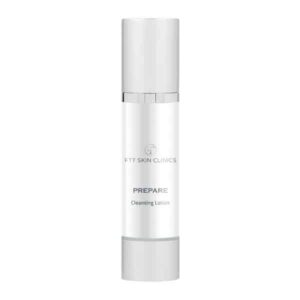
Opt for oil-free, water-based makeup for a fresh look without clogging pores. Always remove makeup before bedtime to promote skin health. We recommend our daily cleanser for removing your make up before bed. Daily Cleanser is part of the FTT Skin clinics luxury range of skin care products. We use scientifically proven ingredients in our advanced comprehensive skin care to bring out the best results in your skin. It contains high levels of Vitamin C to help prevent wrinkles, dark spots and promotes the production of collagen. Additionally it helps fights bacteria and inflammation that can lead to skin problems and breakouts. We recommend it to be used as a wash or dry with makeup removing pads.
Hands Off:
Resist the urge to touch your face throughout the day to prevent the spread of dirt and bacteria. Oily skin may be the result of too much contact to your face.
What can we do to help?
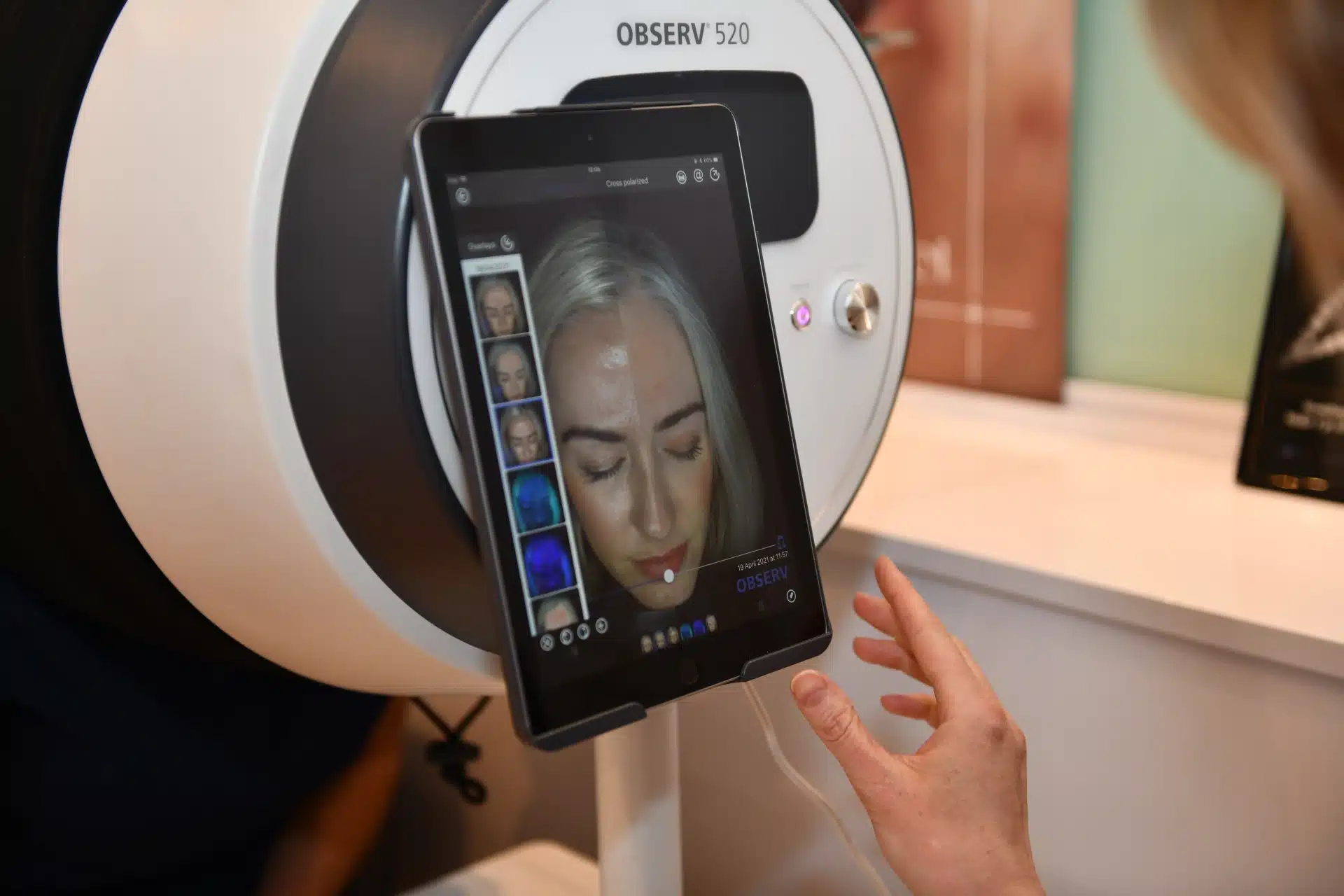
As a medical skin care provider, we offer a full complimentary initial skin analysis with our medical skin experts to begin your skin health journey. We will assess, diagnose, treat and prescribe you through your bespoke skin journey treatment plan, as well as reviewing your skin concerns for oily skin.
As well as building your bespoke treatment plan in clinic, at FTT we have devised our own FTT Skin Ritual for treating Oily Skin, available both online and in clinic. Your at home treatment plan is the bases for great skin health and success. Our FTT products contain active clinically proven ingredients to help control and manage skins natural oils. As well as our FTT Skin Ritual depending on the severity of your skin condition, we have our FTT Expert Skin Prescription Service to prescribe you with the right skin medication in more severe diagnoses cases.
Combining your at home treatment plan with in clinic energy based bespoke facials will maximise your desired skin results. Lasting one hour in clinic, our Bespoke Facials are tailored to drive your skin results and needs. Treatments including our Carbon Lasar Treatment, Obagi Blue Radiance Peel, IPL, Plasma Shower are just a selection of the treatments we offer as part of your Oily Skin treatment plan.

Sensitive Skin
Sensitive Skin
Sensitive Skin is a common but poorly understood long-term skin condition that mainly affects the face.
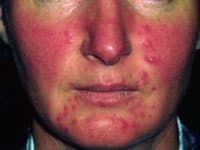
Rosacea typically begins as redness on the central face across the cheeks, nose, and forehead. It can also less commonly affect the neck, chest, ears, and scalp. In some cases, additional signs, such as semi-permanent redness, and telangiectasia (visible thread veins) may be apparent.
Symptoms often begin with episodes of flushing where the skin turns red for a short period, but other symptoms can develop as the condition progresses such as burning and stinging sensations, spots (both papules and pustules), and small blood vessels in the skin becoming visible.
Rosacea is a relapsing condition, which means there are periods when symptoms are particularly bad, followed by periods when the condition is less severe.
Although they are not thought to be direct causes of the condition, several triggers have been identified that may make rosacea worse. These include sunlight exposure, stress and strenuous activity, extremes in temperature/ weather conditions, alcohol, caffeine and spicy food.
Many of the symptoms of rosacea can be controlled to a degree with treatment.
We offer a specifically designed treatment and product combination providing significant results.
All FTT Skin Clinics staff are accredited with Acne and Rosacea Association UK. It is a charity teaching cutting edge techniques for treating acne and rosacea under the guidance of Professor of Dermatology Tony Chu.
Stretch Marks and Scarring
Stretch Marks & Scarring
Understanding Stretch Marks and Scarring
Overview
Stretch marks and scarring are common skin conditions that can affect individuals during various life stages. Whether you’re dealing with stretch marks from pregnancy, rapid weight changes, or scarring due to injuries, understanding these issues is crucial.
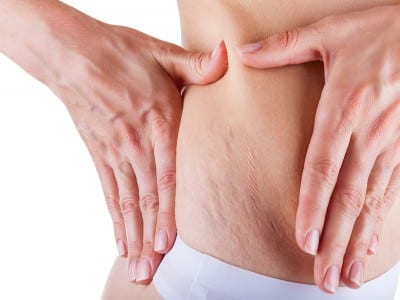
What are Stretch Marks? Stretch marks, scientifically known as striae, are indented streaks that often appear on the abdomen, breasts, hips, buttocks, or other parts of the body. They result from the rapid stretching or shrinking of the skin, causing collagen and elastin fibers to rupture.
Causes and Risk Factors
- Pregnancy, especially during the last trimester
- Rapid weight gain or loss
- Puberty-related growth spurts
- Use of corticosteroids
- Genetic predisposition
Symptoms and Variations
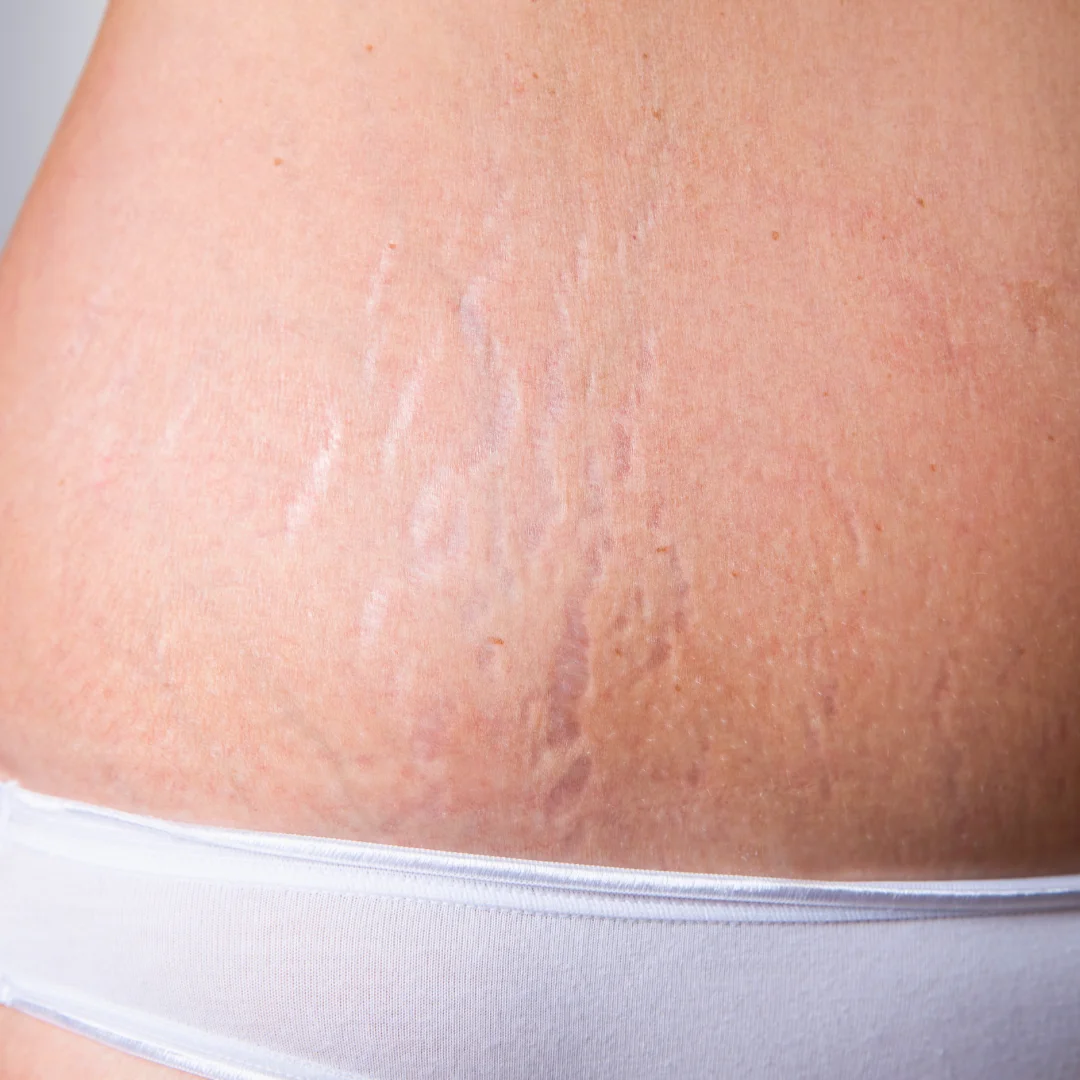
Stretch marks vary in appearance, from bright pink or red when new to faded hues over time. They may cover large areas of the body and can affect anyone, but certain factors increase the likelihood of developing them.
Exploring Stretch Marks in Depth
Stretch Marks as Scarring
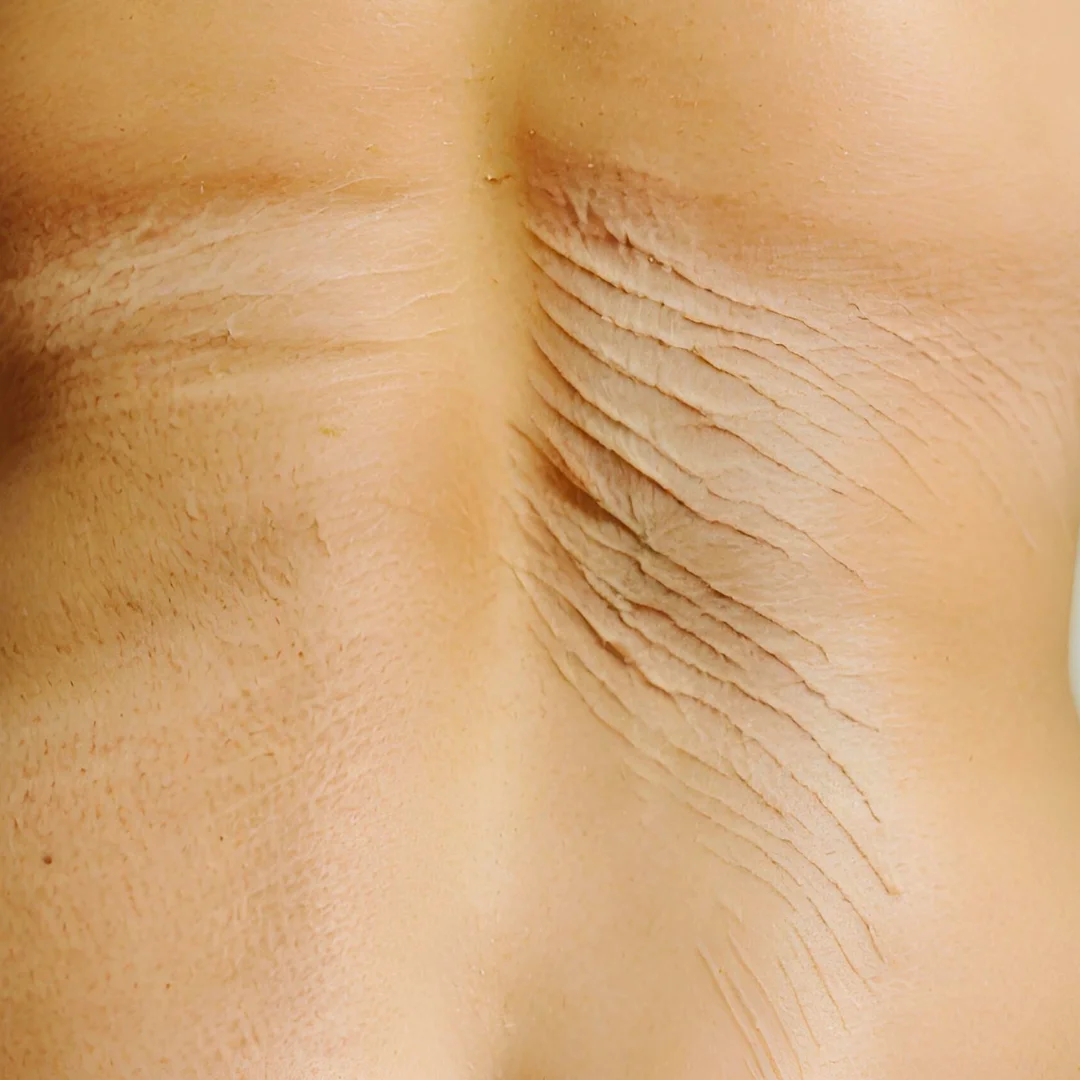
Stretch marks are a form of scarring that occurs when the skin undergoes rapid changes. They commonly manifest on the abdomen, thighs, hips, breasts, and arms. Understanding the causes, symptoms, and affected areas is vital for effective management.
Who is Affected?
While anyone can develop stretch marks, certain factors increase susceptibility. Pregnancy, rapid weight changes, muscle growth from weightlifting, and genetic predispositions contribute to their occurrence.
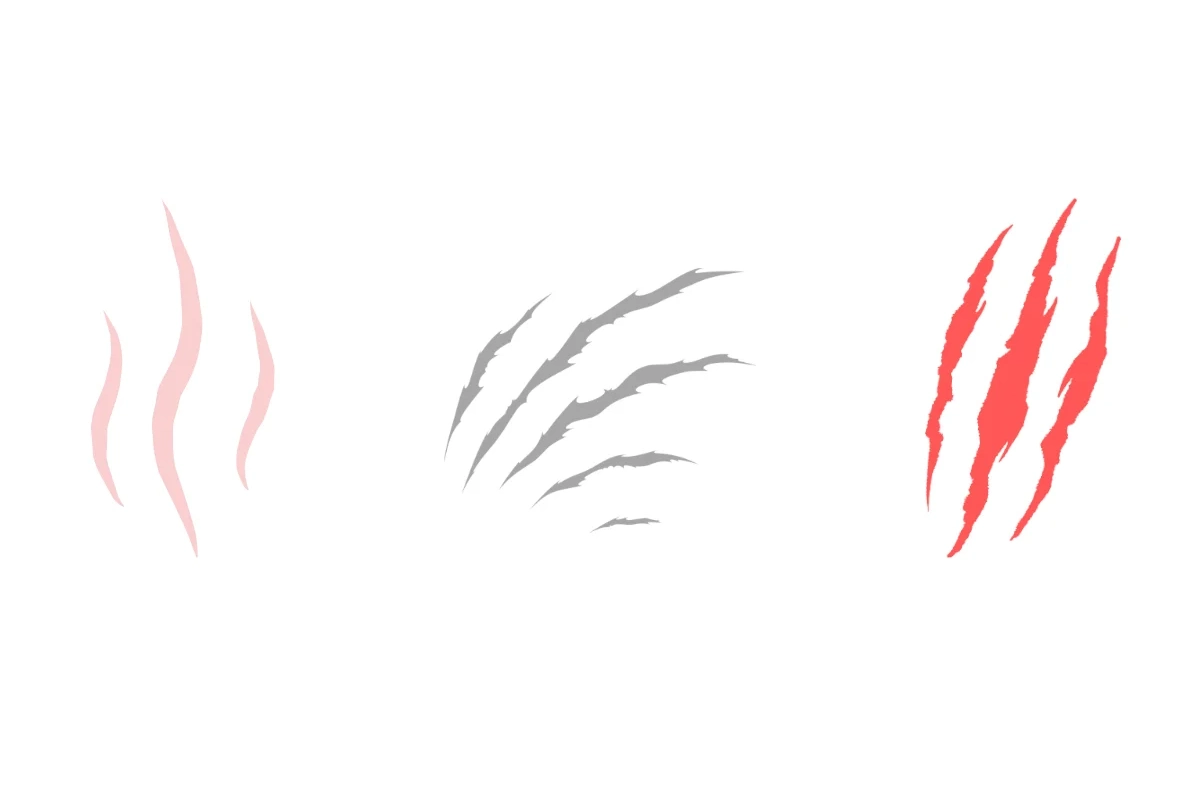
Visual Identification
Stretch marks often present as streaks across the skin, varying in color and size. Visualizing these marks helps in understanding their appearance and potential impact on one’s self-perception.
Common Treatments
Various treatment options aim to improve the appearance of stretch marks. From laser skin resurfacing to microneedling and retinol creams, understanding the available treatments is essential for informed decision-making. Checkout our treatments page or click the link below to find out which treatment is better for you.
How Can We Help?
In addressing stretch marks and scarring, FTT offers advanced treatments like microneedling and specialized products such as retinol. We prioritize understanding the unique aspects of each individual’s skin, tailoring our approaches to provide effective and personalized solutions.
Take control of your skin’s journey by scheduling a consultation and personalized skin analysis with our experienced team. Whether you’re dealing with post-pregnancy changes, weight fluctuations, or scar-related concerns, FTT is dedicated to guiding you toward renewed skin confidence.
Take the first step towards revitalized skin—schedule your consultation and personalized skin analysis with the award winning team.
Rosacea
Rosacea
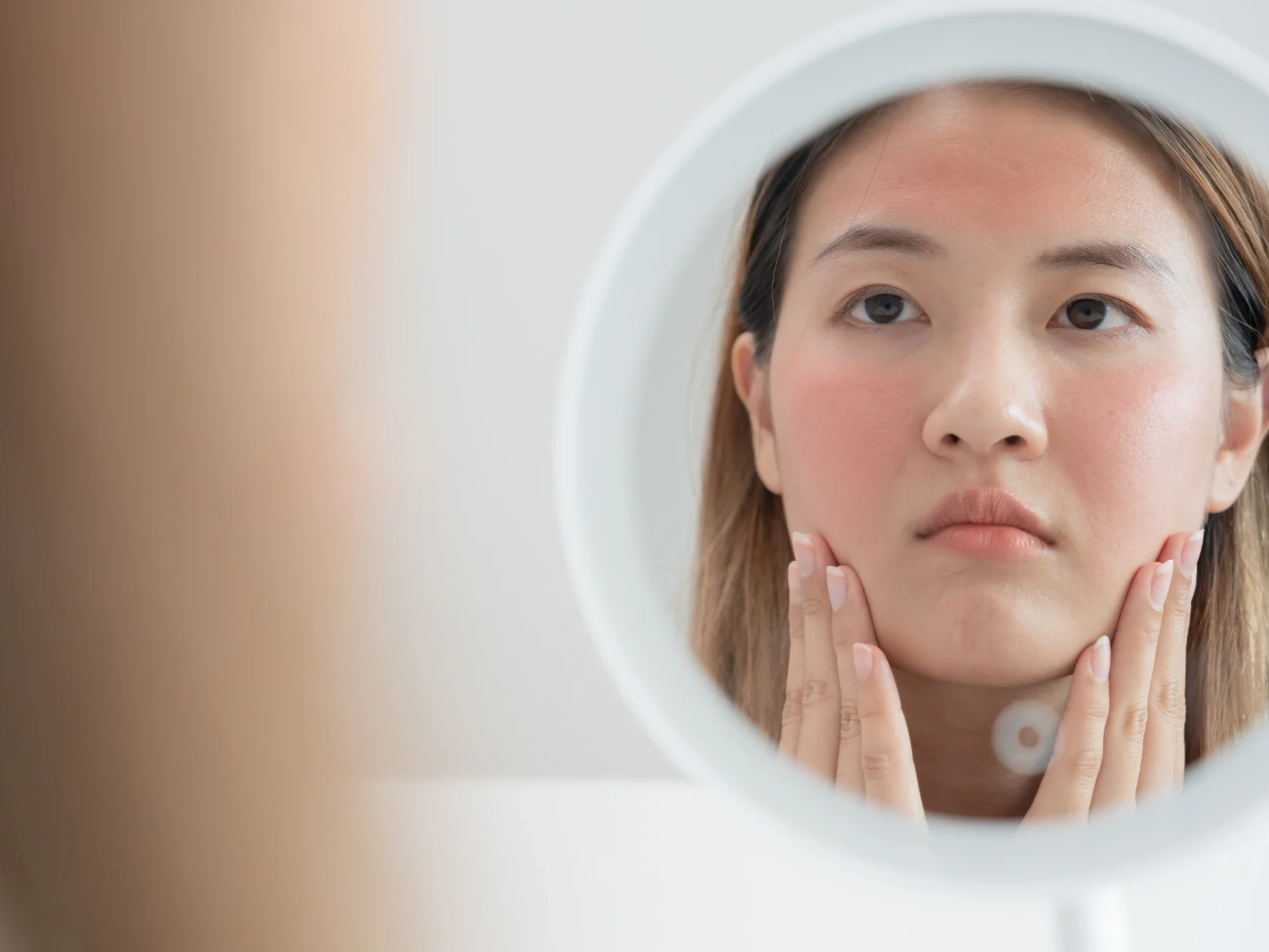
Rosacea is a common skin concern prevalent in two main age groups, late teens and mid 40 age group. Facial flushing, broken red blood vessels around the middle area of the face are common symptoms.
What is Rosacea?
Rosacea is a chronic skin condition that is characterised by facial redness, swelling, and sometimes pimples that resemble acne. Often, people with rosacea often experience flare-ups, where their symptoms become more pronounced for a period before diminishing. While, rosacea’s cause is not fully understood, but it’s generally thought to be related to vascular irregularities and possibly factors like genetics, environmental triggers, and microscopic mites found on the skin.
Are you affected?
This condition is notably more prevalent among women and individuals with lighter skin tones; however, it’s important to note that when rosacea presents in men, the symptoms can often be more severe and challenging to manage. Rosacea’s exact causes remain somewhat elusive, with researchers pointing to a combination of hereditary and environmental factors as potential contributors to its development. Furthermore, certain triggers, such as sun exposure, spicy foods, alcohol, and stress, are known to exacerbate the symptoms, making the management of these triggers a crucial component of living with rosacea.
Symptoms
- Redness and Flushing: Rosacea often starts with a tendency to blush or flush more easily than other people. This redness can spread beyond the nose and cheeks to the forehead, chin, neck, and chest.
- Burning or Stinging Sensation: When using water or skincare products, individuals with rosacea might feel a burning or stinging sensation on their skin, which is a common irritant response.
- Persistent Redness: Over time, the initial redness from flushing may become more persistent and visible, with the skin appearing red all the time.
- Visible Blood Vessels: Small blood vessels on your nose and cheeks often swell and become visible, presenting as tiny red lines under the skin.
- Swelling and Dry Skin: Parts of the face may swell, and the skin can become very dry, which may also feel rough and scaly.
- Acne-like Breakouts: Many people with rosacea develop pimples on their face that resemble acne. These bumps sometimes contain pus.
- Eye Irritation: Rosacea can cause eyes to feel irritated and appear watery or bloodshot, a condition known as ocular rosacea.
- Sore Eyelids or Blepharitis: The eyelids may become red, swollen, and studded with small scales or crusts, often leading to additional discomfort.
- Yellow-Orange Patches: Some individuals may notice yellow-orange patches on the skin, contributing to the skin’s uneven appearance and texture.
Identifying some triggers
Diet
- Alcohol: Consuming alcohol can dilate blood vessels in the skin, leading to a flushed appearance that can trigger or worsen rosacea symptoms. Even small amounts of alcohol may prompt a flare-up.
- Spicy Foods: Spicy foods cause a similar reaction to alcohol in that they can dilate blood vessels, increasing blood flow to the skin and potentially triggering rosacea symptoms. People with rosacea often notice an immediate reddening of their skin after consuming spicy meals.
- Hot Drinks: The heat from hot beverages can cause rosacea to flare by inducing facial flushing. This is due to the warm temperature’s effect on blood circulation and vessel dilation in the face.
Lifestyle
- Aerobic Exercise: While exercise is beneficial for overall health, intense aerobic activities like running can increase body temperature and blood flow, leading to rosacea flare-ups. Moderation and cool-down strategies are essential.
- Hot Baths or Saunas: Similar to the effect of hot drinks, the heat from hot baths, showers, or saunas can cause significant flushing and exacerbate rosacea symptoms. The warmth increases blood flow to the skin, potentially triggering a flare-up.
Emotional Well-being
- Stress: Emotional stress is a well-known trigger that can exacerbate rosacea symptoms as well as have direct affect on your skin. Stress induces a response in the body that can lead to inflammation and flare-ups, making management of stress crucial.
Environment
- Sunlight: Exposure to sunlight is a primary environmental trigger for rosacea. UV radiation can cause damage to the skin, leading to inflammation and exacerbating the symptoms of rosacea. Sun protection is vital for those with the condition.
- Hot or Cold Temperatures: Extreme temperatures can affect rosacea by stressing the skin. Hot weather can induce sweating and flushing, while cold conditions can lead to dryness and irritation, both of which can aggravate rosacea symptoms.
Frequently Asked Questions
What triggers rosacea flare-ups?
Common triggers include sun exposure, extreme temperatures, hot drinks, spicy foods, alcohol, stress, and certain skincare products.
Can rosacea be cured?
Currently, there is no cure, but its symptoms can be managed and controlled with proper treatment and lifestyle adjustments.
How is rosacea diagnosed?
It is typically diagnosed based on its appearance and by ruling out other possible skin conditions. A dermatologist may perform this diagnosis.
What treatments are available for rosacea?
Treatments include topical and oral medications to reduce inflammation and redness, laser therapy for visible blood vessels, and lifestyle changes to avoid triggers.
Is rosacea contagious or infectious?
No, it is neither contagious nor infectious; it cannot be spread from person to person.
Can diet affect rosacea?
Yes, certain foods and beverages can trigger flare-ups in some people. Identifying and avoiding personal dietary triggers is a key part of managing the condition.
Will rosacea get worse with age?
Rosacea’s progression varies; for some, it may worsen over time without treatment, but with appropriate management, symptoms can be controlled.
Is there a link between rosacea and acne?
Although it can have acne-like symptoms, it’s a distinct condition from acne. Treatments for the two conditions differ.
Can makeup worsen rosacea?
Certain makeup products can irritate the skin and exacerbate rosacea symptoms. It’s recommended to use non-comedogenic, gentle products specifically formulated for sensitive skin.
Does rosacea only affect the face?
Primarily, rosacea affects the face, but symptoms can also appear on the neck, chest, scalp, or ears in some cases.
Can stress cause rosacea?
While stress does not cause rosacea, it can trigger flare-ups or worsen existing symptoms for those with the condition.
How can I protect my skin if I have rosacea?
Protect your skin by using sunscreen daily, avoiding known triggers, using gentle skincare products, and seeking treatment from a dermatologist.
Is rosacea related to gut health?
Emerging research suggests a possible connection between rosacea and gut health, though more studies are needed to fully understand the relationship.
Rosacea Myths
Rosacea is simply a cosmetic issue.
Contrary to popular belief, rosacea is a chronic skin condition that goes beyond mere aesthetics. In reality, it can cause discomfort, emotional distress, and, in severe cases, vision-threatening complications. Therefore, understanding its impact on both skin health and overall well-being is crucial.
Only fair-skinned individuals get rosacea.
While rosacea is more commonly diagnosed in people with lighter skin tones, it can affect individuals of any skin colour. However, symptoms might be less noticeable on darker skin, leading to underdiagnoses, but the condition is equally important to treat.
Rosacea is caused by poor hygiene.
This myth couldn’t be further from the truth. Rosacea is related to a combination of genetic, environmental, and vascular factors, not cleanliness. Instead, adopting a gentle skincare routine recommended by FTT Skin Clinics can help manage symptoms without implying that hygiene is to blame.
Only topical creams are effective in treating rosacea.
While topical treatments play a crucial role in managing rosacea, a comprehensive treatment plan may include oral medications, lifestyle modifications, and laser therapy. FTT Skin Clinics tailors treatment plans to each individual’s needs, ensuring the most effective combination of therapies.
Rosacea is just adult acne.
Though rosacea can resemble acne with redness and pimple-like bumps, it’s a distinct condition with different triggers and treatment approaches. Unlike acne, rosacea doesn’t typically involve blackheads, and treatments focus on reducing inflammation and managing triggers rather than solely targeting acne bacteria.
Sunscreen isn’t necessary if you have rosacea.
On the contrary, sunscreen is vital for individuals with rosacea as sun exposure is a common trigger for flare-ups. Using a broad-spectrum sunscreen with an SPF of 30 or higher can help protect sensitive skin and prevent exacerbation of symptoms.
Rosacea is always easy to diagnose.
In fact diagnosing rosacea can be challenging, especially in individuals with darker skin tones or when symptoms overlap with other skin conditions. A thorough evaluation by a dermatologist is often necessary to accurately diagnose and effectively treat it.
Men don’t get rosacea.
While rosacea is more prevalent in women, men can and do develop the condition. In men, rosacea can be more severe and is often underreported. Recognizing symptoms and seeking treatment is crucial for anyone suspecting they have rosacea, regardless of gender.
How can We Help?
We offer comprehensive support and treatment options for individuals dealing with rosacea, leveraging a blend of expert knowledge, advanced treatments, and personalized care strategies. Prior to any treatment you are looking to get, we would have to carry out a skin analysis to decide whether on the best treatment.
Plasma Shower Treatments.
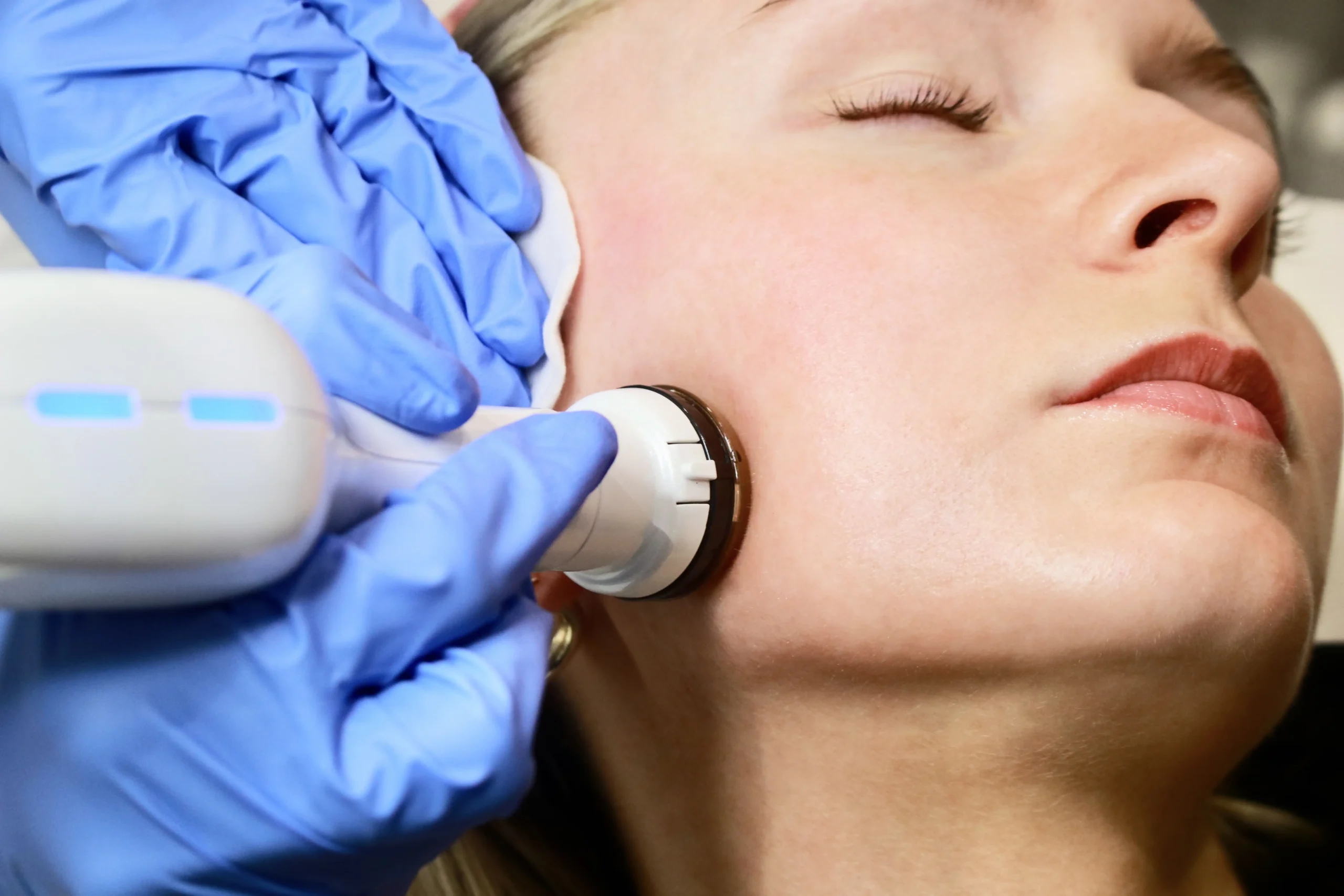
Plasma Shower is an innovative treatment that utilizes the power of ionized gas, or plasma, to deeply cleanse the skin by removing all organic matter from its surface. This advanced technology stimulates both the exterior and interior of skin cells, promoting sterilization and deep penetration of ions into the dermis.
Sculptra Collagen Stimulating Injectibles.
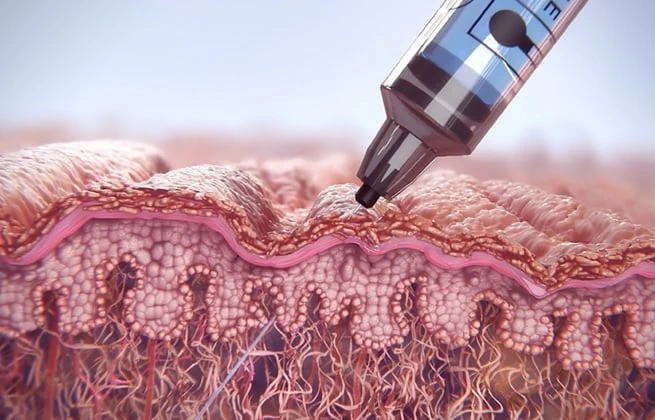
Sculptra collagen stimulating injectables contains Poly-L-Lactic Acid, which replaces lost collagen to help maintain the skin’s elasticity..
IPL Skin Rejuvenation.

IPL Skin Rejuvenation non invasive treatments including – Hair Removal, Thread Vein removal, telangiectasia, skin toning and Rosacea.
Hydrofacial/Profacial Treatments
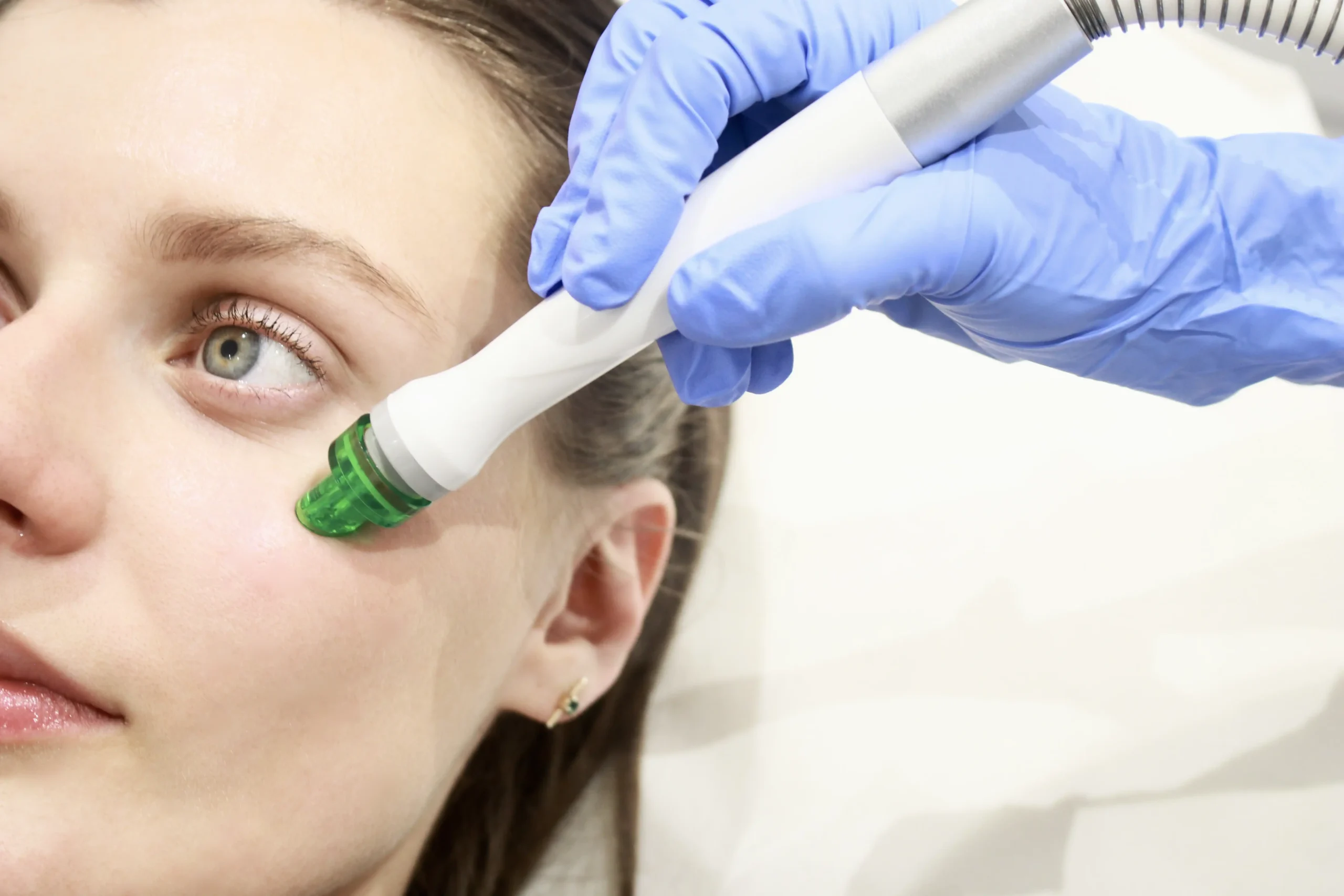
At Home Rosacea Care Tips
At FTT Skin Clinics, we empower you with practical tips to manage rosacea and enhance the effectiveness of your skincare efforts. For those enduring the psychological impact of rosacea, seeking support and adopting a positive skincare mindset are essential steps towards healing both skin and self-esteem.
Complementing our clinic treatments, we offer a wide range of skincare products designed to enhance and prolong the effects of your professional sessions. Our experts can recommend products tailored to your skin type, ensuring a seamless transition between clinic treatments and at-home care.
Your At-Home Skincare Routine for Rosacea
We believe in empowering you with the knowledge and tools for effective at-home skincare. Our specialists provide guidance on incorporating at-home treatments into your routine, ensuring continuity between clinic visits.
At FTT Skin Clinics, our commitment extends beyond the clinic doors. We are dedicated to supporting you at every step, from in-depth skin analyses to personalized treatments and ongoing skincare guidance. Discover the transformative potential of our treatments and embrace the journey to clear, radiant, and healthy skin. Break free from rosacea cycle with our evidence-based treatments and dedicated support, guiding you towards confident skin.
Gentle Skincare Routine
Use a Gentle Cleanser: Opt for a mild, fragrance-free cleanser that won’t strip your skin of its natural oils. Cleansing your face once in the morning and once at night can help remove irritants without provoking rosacea.
Moisturize Daily: A fragrance-free, hydrating moisturizer can help strengthen your skin’s barrier, reduce dryness, and soothe irritation. Look for ingredients like niacinamide, which can help calm inflammation.
Apply Sunscreen: Sun exposure can trigger rosacea flare-ups. Use a mineral-based sunscreen with at least SPF 30 daily, even on cloudy days, to protect sensitive skin.
Be Mindful with Makeup: If makeup is part of your routine, opt for mineral or non-comedogenic products that won’t clog pores or cause irritation. Green-tinted foundations or concealers can help neutralize redness.
Lifestyle and Environmental Adjustments
Identify and Avoid Triggers: Keep a diary to track and identify what triggers your rosacea. Common triggers include hot foods, spicy foods, alcohol, caffeine, stress, and extreme temperatures.
Protect Against Extreme Weather: Both hot and cold weather can exacerbate rosacea. Wear a scarf or ski mask in cold, windy weather and seek shade and stay cool in hot conditions.
Avoid Harsh Skin Treatments: Skip abrasive scrubs, astringents, and any skincare products containing alcohol or other irritating ingredients. Always patch-test new products.
Eat a Balanced Diet: While food triggers can vary, a balanced diet rich in anti-inflammatory foods may help manage rosacea. Incorporate fresh fruits, vegetables, and lean proteins into your meals.
While these at-home care tips can significantly help manage rosacea, it’s important to consult with a dermatologist or skincare professional for severe or persistent symptoms. They can offer additional treatments and personalized advice to further soothe and improve your skin’s condition.
Remember, managing rosacea is about understanding your triggers, treating your skin gently, and making lifestyle adjustments to minimize flare-ups. With the right care and strategies, you can maintain healthy, comfortable skin.
Check out or Sensitive Skin Range products that can help with your symptoms.
Skin Concerns
Skin Concerns We Treat: Acne, Rosacea, Pigmentation & More
We have bespoke treatment plans including in clinic treatments and at home skin care for your individual skin concerns. Whether you have acne, rosacea, freckles, oily, dry skin, ageing skin, sun damage or want to minimise the appearance of pores, blemishes, pigmentation or simply want to improve the look and feel of your skin, we can help. Our skin experts offer reliable, evidence based, clinically proven solutions that will help with your skin concerns.
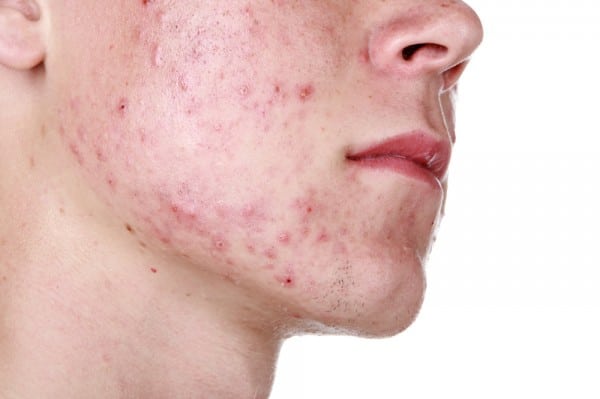
Acne
Acne is a distressing skin issue that can really knock your confidence no matter what age or gender you are. Acne is a fairly common distressing skin issue that can result in blackheads, pimples, blackheads, whiteheads, spots, pustules, cysts and scarring.
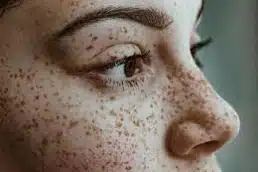
Freckles
The formation of freckles is caused by exposure to sunlight. Freckles are not a skin disorder, but some people don’t like them so much as they get older and we can help with that. We suggest always using SPF50 to protect the skin.
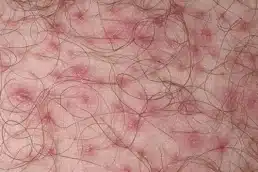
Folliculitis
Folliculitis is inflamed hair follicles with tender red spots or pustules. There are different types of folliculitis. In clinic assessment would determine what the best treatment would be for you.
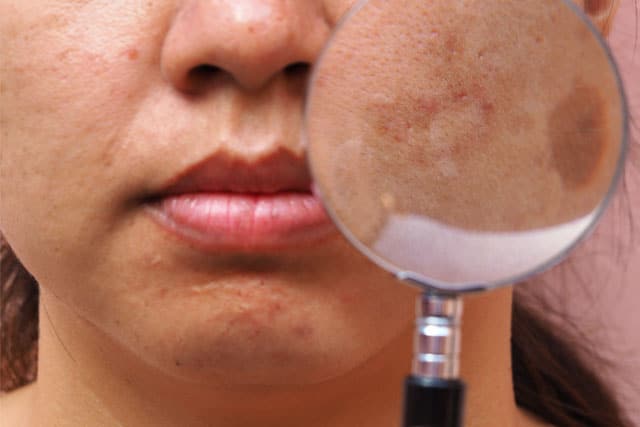
Rosacea
Rosacea is a common skin problem causing a variety of symptoms ranging from recurrent blushing, permanent red skin to acne-like eruptions with pustules and lumps. We have in clinic and at home treatments that can help you.
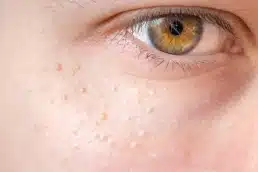
Milia
Milia are common in all ages and sexes. They most often arise on the face and are particularly prominent on the eyelids and cheeks, but they may occur elsewhere. We would assess your skin in clinic to decide best treatment.
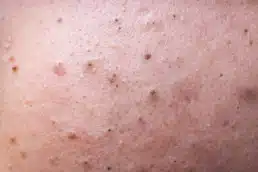
Blackheads
Blackheads are small dark bumps that appear on your skin due to clogged hair follicles. Blackheads are a mild type of acne. We have many different treatments from home care to in clinic treatments.
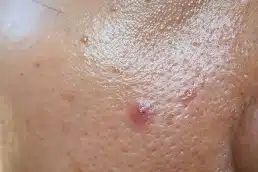
Oily Skin
Oily skin happens when the sebaceous glands in the skin make too much sebum. Sebum is the oil that protects and hydrates the skin. Too much sebum can lead to oily skin, clogged pores, and acne. We have in clinic and at home treatments that can help you.
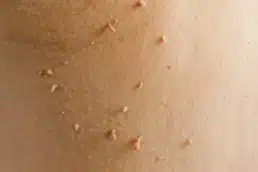
Skin Tags
Skin tags are painless, harmless growths on the skin connected by a small, thin stalk, commonly found in skin folds. We have two different ways to remove them and would assess you in clinic to decide what’s best for you.